上篇中提到可以通过spi机制拓展分布式序列算法,其实shardingjdbc很多核心组件和算法都支持自定义扩展。这篇说下通过spi机制拓展分片算法;
简单的说就是实现对应的接口,实现getType 方法和对应的分片类,然后就可以在配置文件中使用对应的类型了;
假设要扩展一个标准的分片算法
- 首先自定义类,并实现 StandardShardingAlgorithm,其他的组合或强制路由的算法需要实现其他的那2个接口;
1
2
3
4
5
6
7
8
9
10
11
12
13
14
15
16
17
18
19
20
21
22
23
24
25
26
27
28
29
30
31
32
33
34
35
36
37
38
39
40
41
42
43
44
45
46
47
48
49
50
51
52
53
54
55
56
57
58
59
60
61
62
63
64
65
66
67
68
69
70
71
72
73
74
75
76
77
| package com.example.shardingjdbcdemo.spi;
import lombok.SneakyThrows;
import org.apache.shardingsphere.sharding.api.sharding.standard.PreciseShardingValue;
import org.apache.shardingsphere.sharding.api.sharding.standard.RangeShardingValue;
import org.apache.shardingsphere.sharding.api.sharding.standard.StandardShardingAlgorithm;
import java.text.DateFormat;
import java.text.SimpleDateFormat;
import java.util.Collection;
import java.util.Date;
import java.util.Map;
import java.util.Properties;
import java.util.concurrent.ConcurrentHashMap;
public class MonthStandardAlgorithm implements StandardShardingAlgorithm {
private Properties properties = new Properties();
private static final String MONTH_FORMAT = "month_pattern";
private static final String DEFAULT_MONTH_FORMAT = "yyyy_MM";
private SimpleDateFormat dateTimeFormatter;
private Map<String,Boolean> tableExists = new ConcurrentHashMap<>();
private static DateFormat parse = new SimpleDateFormat("yyyy-MM-dd'T'hh:mm:ss.SSS");
@Override
public Properties getProps() {
return properties;
}
@Override
public void setProps(Properties props) {
this.properties = props;
}
@SneakyThrows
@Override
public String doSharding(Collection availableTargetNames, PreciseShardingValue shardingValue) {
//拿到时间字符串
String dateStr = shardingValue.getValue().toString();
Date date = MonthStandardAlgorithm.parse.parse(dateStr);
String realName = shardingValue.getLogicTableName() + "_" + dateTimeFormatter.format(date);
Boolean exists = tableExists.get(realName);
if(exists == null || !exists){
//TODO 创建对应的表
}
return realName;
}
@Override
public Collection<String> doSharding(Collection availableTargetNames, RangeShardingValue shardingValue) {
//TODO 实现对应的逻辑
return availableTargetNames;
}
@Override
public void init() {
String pattern = this.properties.getOrDefault(MONTH_FORMAT, DEFAULT_MONTH_FORMAT).toString();
if(pattern.indexOf("mm") == -1 && pattern.indexOf("MM") == -1){
throw new IllegalArgumentException(String.format("MONTH_FORMAT %s 格式错误",pattern));
}
dateTimeFormatter = new SimpleDateFormat(pattern);
}
@Override
public String getType() {
return "MONTH";
}
}
|
重新getType() 方法,这里就定义了此算法的类型名称了,是可以直接配置在配置文件的;在系统初始化的时候会根据配置的类型通过spi 进行查找;
实现sharding 方法,自行处理分片的相关的逻辑;
定义SPI 文件
在META-INF/services 下新增文件名为
org.apache.shardingsphere.sharding.spi.ShardingAlgorithm
文件内填充内容 com.example.shardingjdbcdemo.spi.MonthStandardAlgorithm (写自己的实现类)
- 这样就可以按照正常的配置分片算法的类型为我们的自定义的类型了;
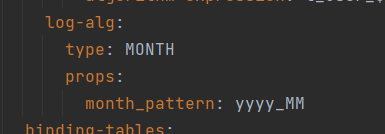
完整配置
1
2
3
4
5
6
7
8
9
10
11
12
13
14
15
16
17
18
19
20
21
22
23
24
25
26
27
28
29
30
31
32
33
34
35
36
37
38
39
40
41
42
43
44
45
46
47
48
49
50
51
52
53
54
55
56
57
58
59
60
61
62
63
64
65
66
67
68
69
70
71
72
73
74
75
76
77
78
79
80
81
82
83
84
85
86
87
88
89
90
| spring:
application:
name: shardingjdbcDemo
main:
allow-bean-definition-overriding: true
shardingsphere:
#数据源信息
datasource:
#名称为dbsource-0的数据源
dbsource-0:
type: com.zaxxer.hikari.HikariDataSource
driver-class-name: com.mysql.cj.jdbc.Driver
jdbc-url: jdbc:mysql://127.0.0.1:3306/db1?serverTimezone=Asia/Shanghai&useUnicode=true&characterEncoding=utf8&useSSL=false
username: root
password: 123456
names: dbsource-0
#规则的配置
rules:
sharding:
tables:
#order表的规则
t_order:
actual-data-nodes: dbsource-0.t_order_$->{0..1}
#分表策略
table-strategy:
#标准策略
standard:
sharding-column: user_id
sharding-algorithm-name: order-alg
keyGenerateStrategy:
column: order_id
keyGeneratorName: order-incr
#user表的配置
t_user:
actual-data-nodes: dbsource-0.t_user_$->{0..1}
table-strategy:
#标准策略
standard:
sharding-column: user_id
sharding-algorithm-name: user-alg
keyGenerateStrategy:
column: user_id
keyGeneratorName: user-incr
t_log:
actual-data-nodes: dbsource-0.t_log_2022_0$->{1..9},dbsource-0.t_log_2022_$->{11..12}
table-strategy:
#标准策略
standard:
sharding-column: log_time
sharding-algorithm-name: log-alg
keyGenerateStrategy:
column: id
keyGeneratorName: snowflake
#分片算法
sharding-algorithms:
order-alg:
type: INLINE
props:
algorithm-expression: t_order_$->{user_id % 2}
user-alg:
type: INLINE
props:
algorithm-expression: t_user_$->{user_id % 2}
log-alg:
type: MONTH
props:
month_pattern: yyyy_MM
binding-tables:
- t_order,t_user
keyGenerators:
user-incr:
type: INCREMENT
order-incr:
type: INCREMENT
snowflake:
type: SNOWFLAKE
props:
worker-id: 1
props:
sql-show: true
sql-comment-parse-enabled: true
|